COVID-19

 © Copyright Billboard
 © Copyright Billboard
 © Copyright Billboard
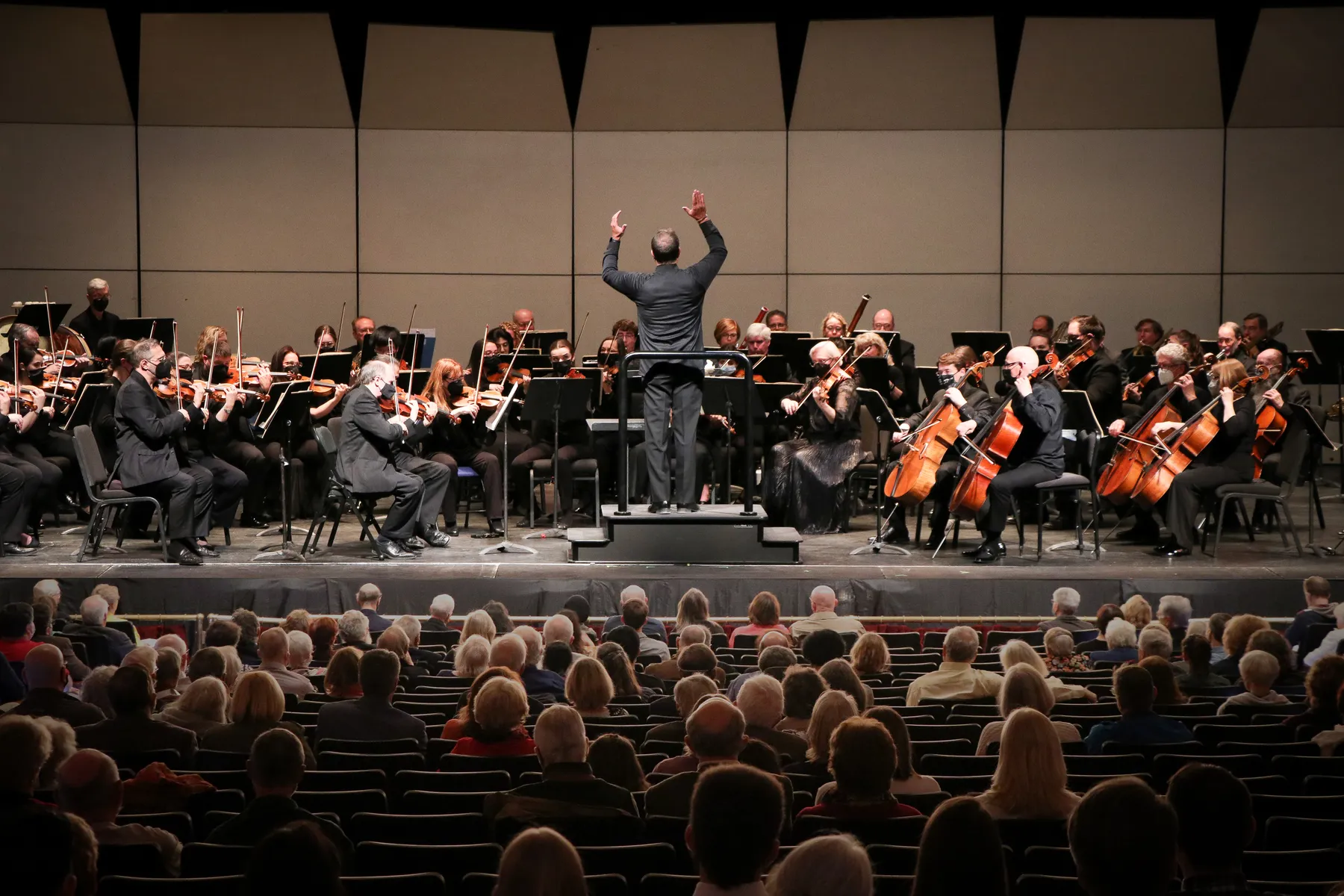 © Copyright NYS Music
 © Copyright Billboard
© Copyright Billboard
© Copyright Billboard
 © Copyright Billboard
 © Copyright Billboard
 © Copyright Billboard
 © Copyright Billboard
 © Copyright Billboard
 © Copyright Billboard
 © Copyright Billboard
 © Copyright Billboard
Merriam-Webster's Word of the Day for March 20, 2026 is:
eureka • \yoo-REE-kuh\ • adjective
As an interjection, eureka is used to express excitement when a discovery has been made. When used as an adjective, eureka describes something (typically a moment) that is characterized by a usually sudden triumphant discovery.
// After years of trying to piece together a concrete business idea, I had a eureka moment and everything made sense.
Examples:
“Back in 2020, Trautmann and fellow college student Max Steitz were lamenting the unrelenting loss of Louisiana wetlands, while sharing a bottle of wine. It was a eureka moment, as Trautmann and Steitz realized that by crushing wine bottles and other disposable glass into sand, they could relieve pressure on landfills and simultaneously help fend off coastal erosion.” — Doug MacCash, nola.com (New Orleans, Louisiana), 5 Dec. 2025
Did you know?
When people exclaim “Eureka!” they are harking back to a legendary event in the life of the Greek mathematician and inventor Archimedes. While wrestling with the problem of how to determine the purity of gold, he had the sudden realization that the buoyancy of an object placed in water is equal in magnitude to the weight of the water the object displaces. According to one popular version of the legend, he made his discovery at a public bathhouse, whereupon he leapt out of his bath, exclaiming in Greek “Heurēka! Heurēka!” (“I have found it!”), and ran home naked through the streets. The absence of a contemporary source for this anecdote has done nothing to diminish its popularity over the centuries. The English word eureka, which of course hails from heurēka, has also retained its popularity; its use as an interjection dates to the early 17th century, and it gained a brand-new use in the early 20th century as an adjective describing moments of discovery or epiphany.