COVID-19

 © Copyright NY Post
 © Copyright NY Post
 © Copyright NY Post
 © Copyright NY Post
 © Copyright NY Post
 © Copyright NY Post
 © Copyright NY Post
 © Copyright NY Post
 © Copyright NY Post
 © Copyright NY Post
 © Copyright NY Post
 © Copyright NY Post
 © Copyright NY Post
 © Copyright NY Post
 © Copyright NY Post
 © Copyright NY Post
 © Copyright NY Post
 © Copyright NY Post
 © Copyright NY Post
 © Copyright NY Post
Merriam-Webster's Word of the Day for May 6, 2026 is:
flamboyant • \flam-BOY-ant\ • adjective
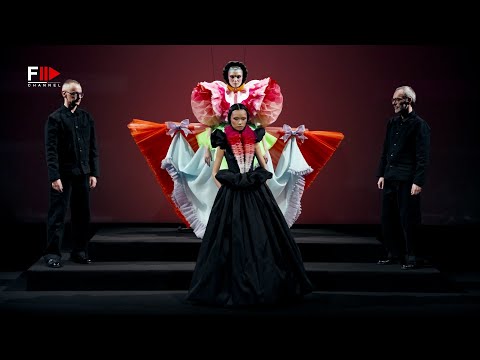
Someone or something described as flamboyant has a very noticeable quality that attracts a lot of attention. Such a person or thing is often strikingly elaborate or colorful in their behavior or display.
// Reality television attracts millions of viewers for its depictions of flamboyant, larger-than-life personalities living equally flamboyant lifestyles.
Examples:
“[Helen] McCrory’s flamboyant and perfectly drawn portrayal of Polly was the show’s real treasure, a steel-willed matriarch unusually attuned to the mysticism of the Shelby family’s Romani roots who also served as a ruthlessly pragmatic consigliere. ... McCrory’s Polly was so electric that the show remained totally riveting any time she was onscreen.” — Jack Hamilton, Slate, 20 Mar. 2026
Did you know?
Associate the word flamboyant with bananas flambé and the word’s fiery etymology will be seared in your mind. Flamboyant, which was borrowed into English from French in the 19th century, can be traced back to the Old French word flambe, meaning “flame.” In its earliest uses flamboyant referred to an ornate style of Gothic architecture popular in France and Spain, which featured waving curves suggestive of flames. Eventually, the word developed a more general second sense for anything eye-catching or showy. And of course, flambe is also the origin of the English adjective flambé, which describes food flamboyantly dressed or served with flaming liquor.